
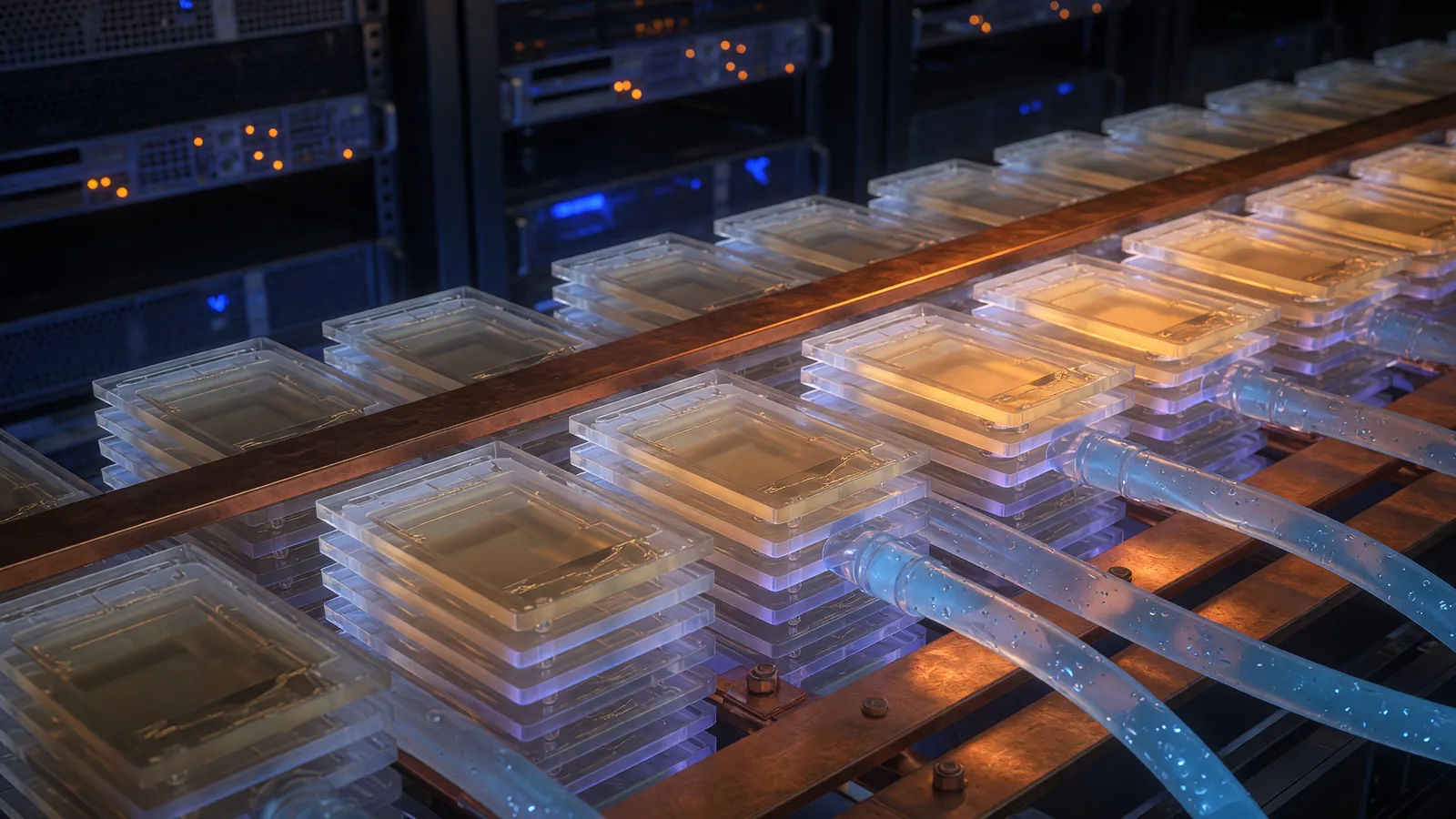
For two years the AI story was about chips. This week it became about electricity, and the companies that saw it coming are already pouring concrete. Follow the wattage.
The constraint changed while nobody watched
GPUs stopped being the bottleneck. Memory and megawatts took their place, and unlike chips, you cannot airfreight a power plant. The evidence arrived in three earnings reports at once. See the evidence →
Meta stopped waiting for the grid
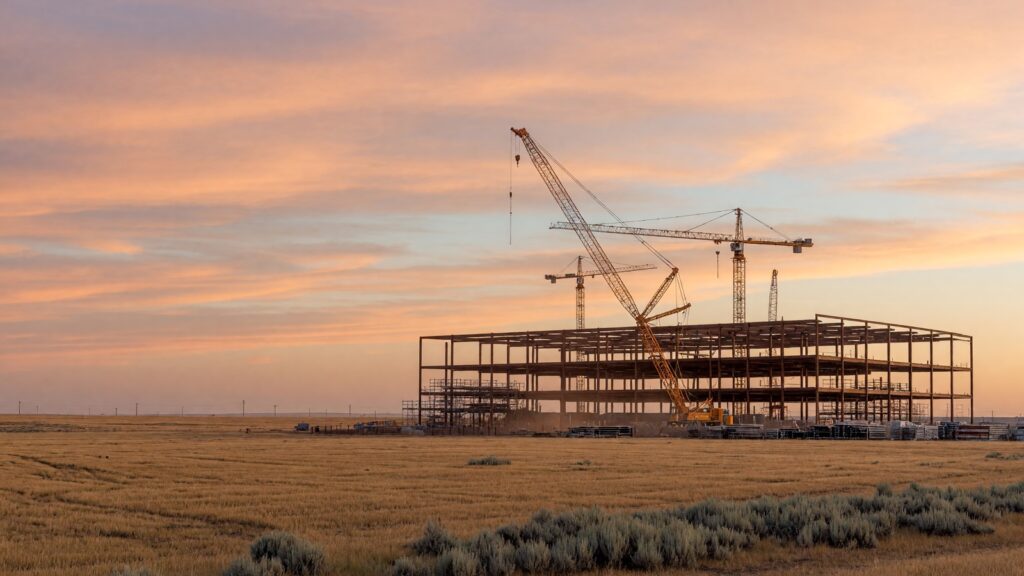
So what do you do when the grid cannot promise you power? Meta’s answer: build your own. Its C$13 billion Alberta data center, the largest outside the US, comes with a dedicated natural gas plant. Read the plan →
Google went further out
Gas solves this decade. Google is betting on the next one: it joined a 411 million euro round in Proxima Fusion, buying a piece of fusion power before it exists. See the bet →
The landlords are locked in
Down on the ground, the power brokers are signing decade-scale paper: Anthropic’s Kentucky lease promises 401 megawatts by 2028, and data-center builder Crusoe is reportedly raising at a valuation near $30 billion, triple its last mark. The Crusoe numbers →
One number
401 megawatts. What one AI lab contracted from one Kentucky campus. A mid-size city runs on less. The lease →
One thing to use
The data center boom, in verified numbers. Every claim sourced, every figure checked. Bookmark it for the next dinner-party argument about AI infrastructure. Open it →
That is the thread: the bottleneck moved to the wall socket, and the giants started buying the socket. Hit reply with the infrastructure story you want next. Forwarded this? Claim your own copy.
Dr. Joseph Joshua
P.S. Next issue: the lock-in already started, and the free money is part of the trap.
AI and business tech news, verified by a physician who reads the filings. One email a week, no noise.