
H1 closed with the biggest venture haul on record, and my first instinct was to distrust the number, not celebrate it. So I followed it: past the headline total, into who actually banked the money, and out the other side to the concrete being poured in Louisiana. Follow the thread and the record starts to look less like a boom and more like a very short guest list.
The boom that only two companies felt
Startups raised $510 billion in the first half, an all-time high, except 43 percent of it landed at exactly two doors. Q2 seed funding, meanwhile, came in at just $12 billion, and once you see which slice swelled and which slice starved, “record year” stops meaning what you assumed. See the breakdown →
Bootstrapped for a decade, then it named a price
Follow that concentrated capital downstream and it starts repricing the boring layers. Oxylabs had run without a cent of outside money since 2015, then took its first check, $130 million from Warburg Pincus, at a valuation that tells you exactly how the market now grades web data. See the number →
He invested in it, then bought it three months later
If web data is the raw feed, the next moat is the environment you train agents inside, and Mercor just moved to own that layer. Its 23-year-old CEO angel-invested in Deeptune, then had his roughly $2-billion-revenue company acquire it about three months on, which is either rare conviction or a very awkward cap table. Read the timeline →
The crypto treasury that blinked
Not every balance sheet is flush enough to buy compute outright; some are liquidating the old bet to fund the new one. Empery Digital sold nearly half its Bitcoin at roughly a 47 percent loss to build an AI data center, and how its own shareholders scored a realized loss that size is the part I did not see coming. See how it landed →
Nine months, no new capacity, a much bigger bill
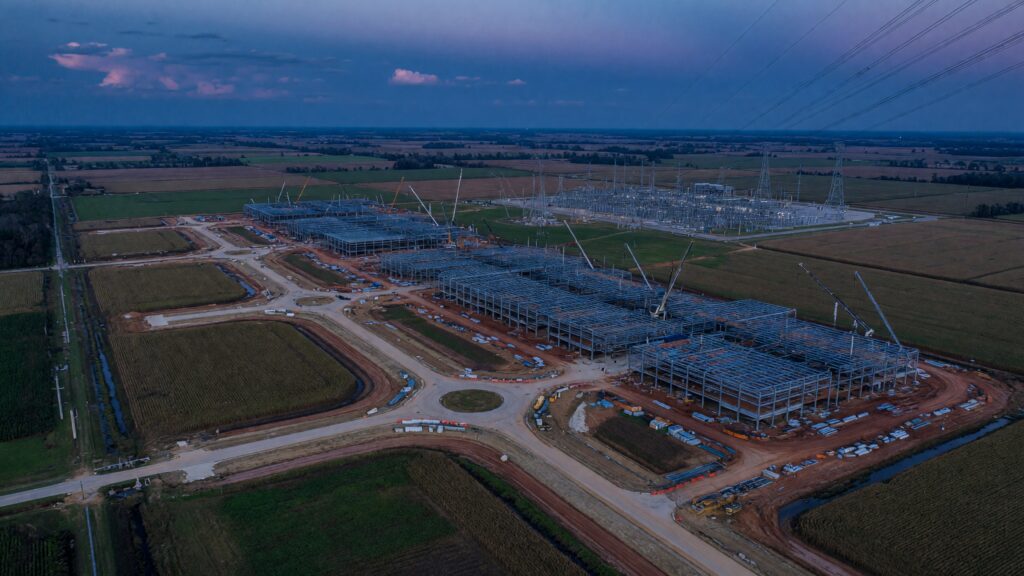
Trace all of it to the ground and you reach Meta’s Hyperion campus in Louisiana, where the money finally turns into steel and substations. The price tag just reset to more than $50 billion from $27 billion nine months ago, for the same 5 gigawatts, and that gap between cost and capacity is the whole cycle in one line item. Do the math →
One number
43 percent. Nearly half of every venture dollar raised in the first half of 2026 went to just two companies, which is why the “record” and the “broad AI boom” are not the same story. See where the rest went →
One thing to use
The capital stack, explained. If this issue left you wanting the map instead of the snapshots, our explainer walks the full stack of who actually funds the buildout, from venture rounds to 20-year leases. Read the explainer →
From a record total to two names, down through repriced data, a bought-out training-environment startup and a liquidated crypto stack, all the way to the concrete in Louisiana, the money this cycle went to far fewer places than the headline suggests. Hit reply and tell me which story deserves the full treatment next; I read everything. Forwarded this? Claim your own copy.
Dr. Joseph Joshua
P.S. Next issue: the agents left the lab and went to work. Someone had to deploy them.
AI and business tech news, verified by a physician who reads the filings. One email a week, no noise.