
Empery Digital Inc. (Nasdaq: EMPD), the company that spent a year as a Bitcoin-treasury true believer after abandoning electric powersports, has quietly reversed course. In an SEC Form 8-K dated July 10, 2026, the former Volcon disclosed it sold 1,400 BTC since May 7, roughly 48% of its holdings, at an average of $62,200 per coin for about $87.1 million in gross proceeds.
The notable part is not the sale, it is the reception. Empery bought that Bitcoin at an average near $117,697, so it crystallized a per-coin loss of roughly 47%, yet shares rose rather than fell. Capitulating on a crypto treasury to fund AI infrastructure did not read as failure to the market, at least not for this small-cap, and it is a revealing data point in the wider business-of-AI story.
What’s actually new
After the sale, Empery held 1,514 BTC, about $73.9 million in cash, and $45 million outstanding on its debt facility as of July 10. The proceeds did not all go to AI. Per the 8-K, the company repaid $10 million of debt on July 7, covered elevated legal costs from ongoing stockholder litigation, funded operations, and supplied cash for a property acquisition.
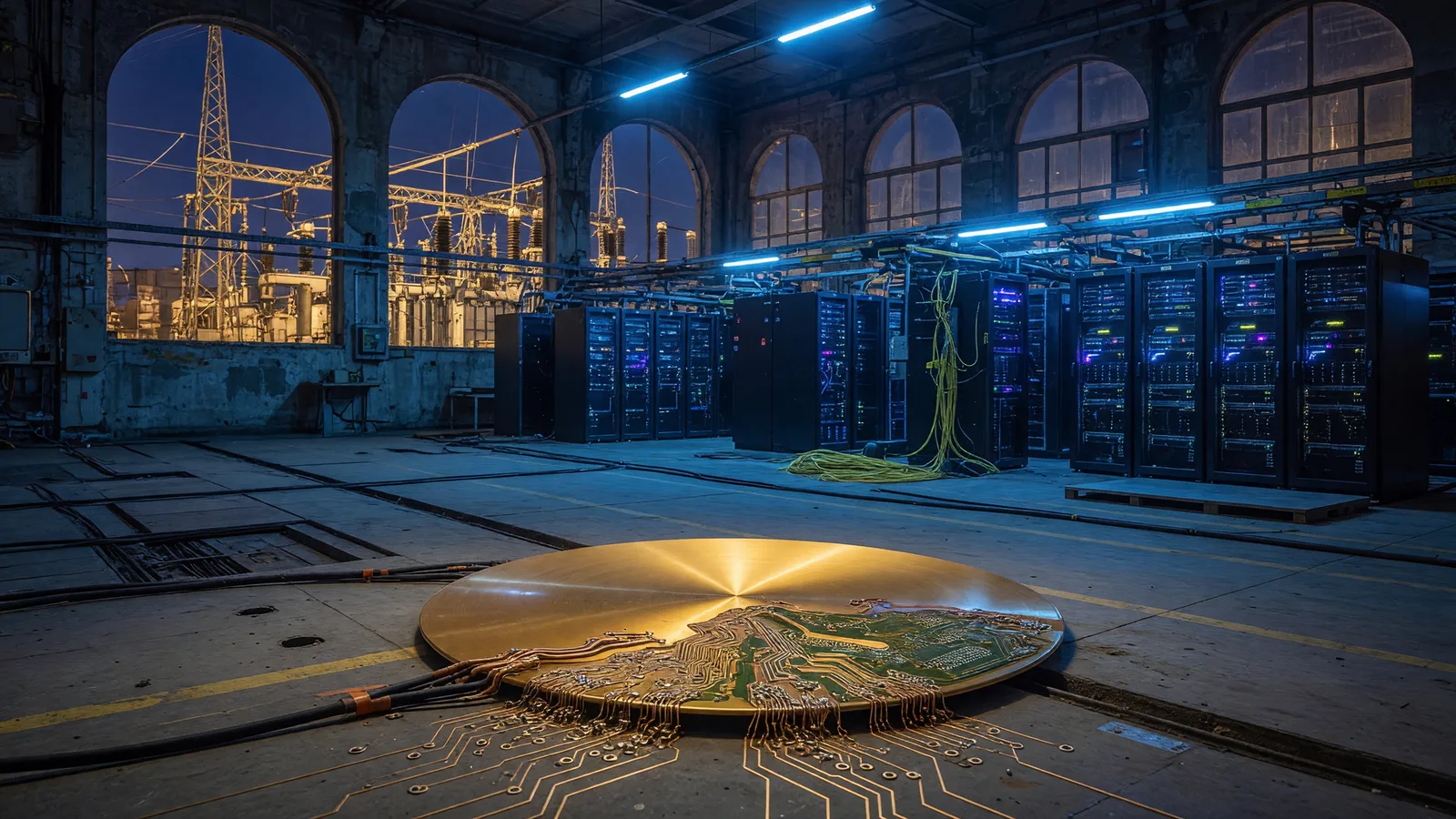
That is the property deal announced June 30: a $65 million investment for a 25% common-unit stake in an entity, alongside an affiliate of Hunt Properties as 75% managing member, acquiring a Midwest industrial facility with an owned substation and roughly 150 MW of available power. A load study indicates expansion potential toward roughly 300 MW. The plan is to convert it into an AI and high-performance-computing data center, with closing expected in Q3 2026. The company also disclosed a non-binding letter of intent for a triple-net lease it says could generate up to about $1 billion in payments. The tenant is unnamed: the release describes only a leading compute provider, so treat the identity as unconfirmed.
Empery said it has no plans to buy more Bitcoin, may sell additional holdings opportunistically, and has discontinued its Bitcoin treasury dashboard. In other words, the treasury strategy that defined the rebrand is effectively over.
What this means for the corporate Bitcoin playbook
Dozens of small caps adopted the MicroStrategy-style treasury model through 2025, borrowing or raising equity to stack coins. Empery is an early test of the exit, and the exit here trades an idle balance-sheet bet for a claim on cash-generating compute real estate. The market’s response, per CoinDesk, which reported the sale, and Cointelegraph coverage noting shares rose after the disclosure, suggests investors will reward a pivot toward AI capacity even when it books a near-50% crypto loss.
Temper the read, though. This is a small-cap under shareholder-litigation pressure. The gain was modest, roughly 1% to 2% on July 10 and 11 with an intraday spike near 4.2% to about $3.95, and the stock still sits near 52-week lows against a prior high around $15.80. It is not a broad-market endorsement of dumping Bitcoin for data centers. It is one battered company betting that owned power and a substation are worth more than volatile coins, a wager that only pays if it can actually land tenants amid the AI data center boom and the wave of long-term compute leases like Anthropic’s Kentucky campus deal. That same demand is also what feeds questions about an AI bubble.
What to watch
Three things. Whether the property deal actually closes in Q3 2026 as expected. Whether the $1 billion triple-net LOI converts from non-binding to signed and the compute tenant is finally named. And whether Empery sells the remaining 1,514 BTC, which would confirm the treasury era is not paused but finished.
AI and business tech news, verified by a physician who reads the filings. One email a week, no noise.