
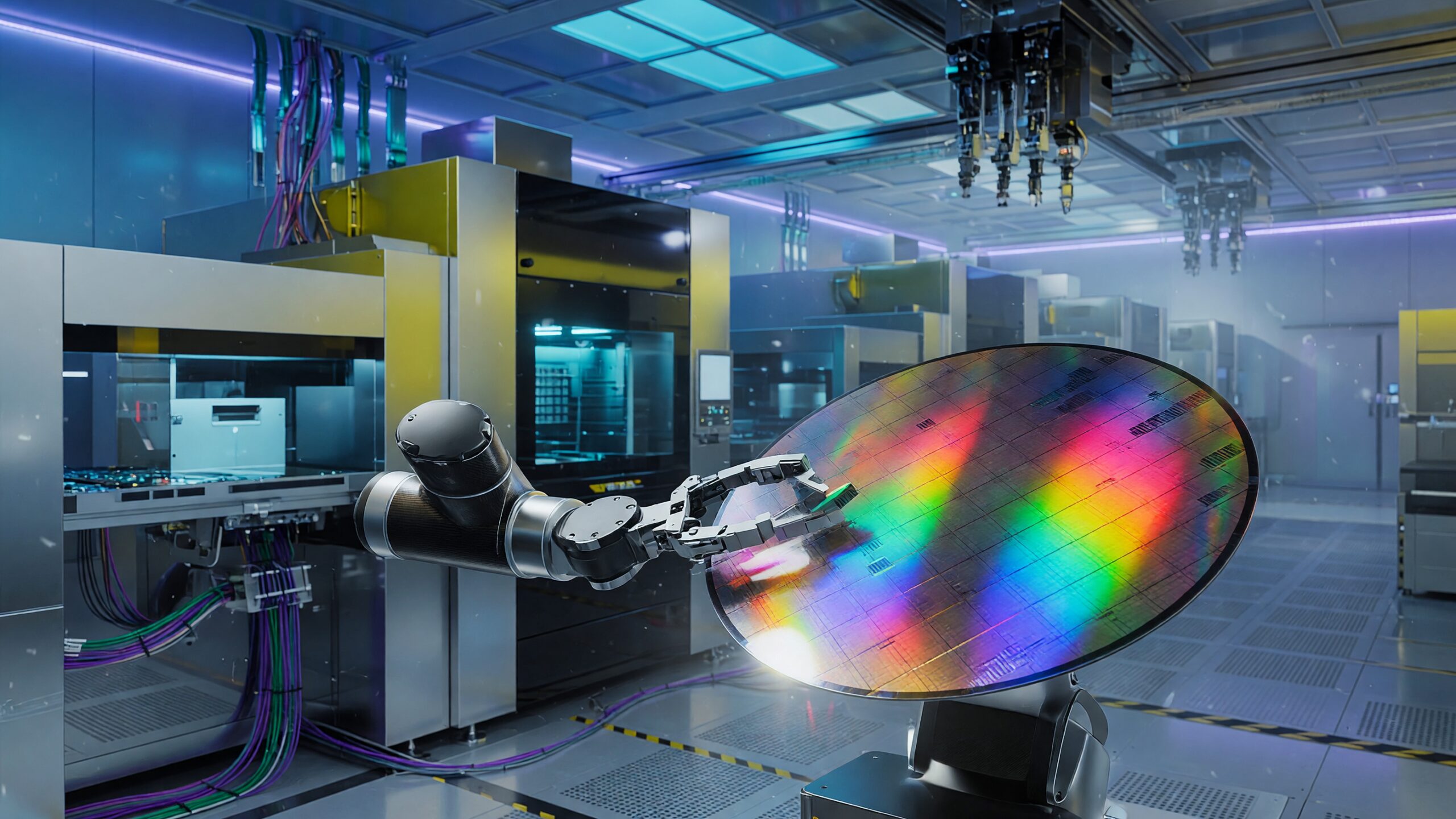
The cleanest number in AI this week was not a benchmark, it was a foundry invoice, and it broke a record. Two days later a memory maker walked onto the Nasdaq and raised more than any foreign company ever has, while its home market fell apart the same week. Follow the thread; it runs from the chips to the power to the labs quietly deciding to build their own.
The invoice nobody can fake
TSMC prints the silicon for almost every AI chip that matters, which makes its books the one demand signal nobody can inflate. Q2 landed at about NT$1.27 trillion, near $39.6 billion, up 36 percent from a year ago and the best quarter it has ever posted. Read the demand signal →
The debut that dwarfed the crash
Demand like that pulls capital toward whoever feeds the machines their memory. SK Hynix listed in New York and raised $26.51 billion, the largest debut a foreign company has ever staged on a US exchange, then rose 13 percent on day one, even as its own Seoul market fell 15 percent the same week. Why the two tapes split is the whole story. Read the split →
It was never the GPUs
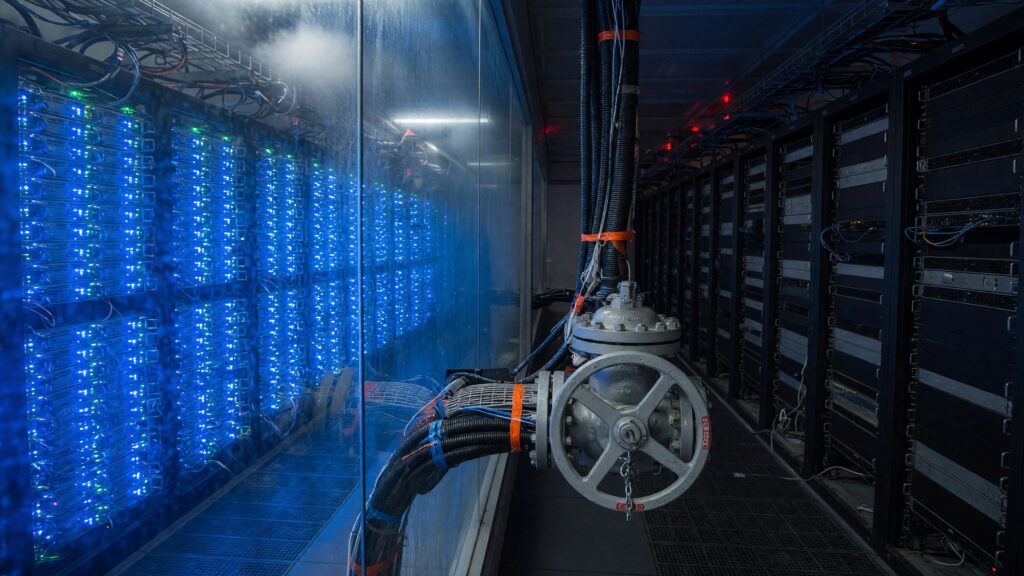
Money chases memory because memory, not the GPU, is now the wall. The scarce inputs capping every data center are high-bandwidth memory and the megawatts to run it: Samsung just booked a record quarter and Micron cleared $41.46 billion, both riding the same shortage. What that shortage forces everyone to do next is the uncomfortable part. See the constraint →
Google told its biggest customer to slow down
When the input is scarce, even the largest customers get rationed. Google, per the Financial Times, capped Meta’s access to Gemini because it ran out of compute, and told one of its own biggest cloud clients to conserve tokens. That a hyperscaler is now metering a hyperscaler tells you how tight this got. Read who got cut →
Five weeks after the S-1, a chip call
The escape from rationing is to stop renting the silicon and start owning it. Five weeks after filing a confidential S-1, Anthropic opened early talks with Samsung about a custom chip, which is a strange move to make before an IPO until you see the margin math. Why a lab about to go public wants its own foundry deal is the tell. Read the timing →
One number
36 percent. Strip out the debut, the shortage and the rationing, and everything this week traces back to one foundry growing that fast, year on year. Demand that steep bends every company downstream of it. See where it starts →
One thing to use
Memory and megawatts. If you read one thing to understand why chips, not models, ran this cycle, make it our explainer on the two inputs now capping the entire buildout. Read the framing →
That is the thread: demand set a record, capital chased the memory, the memory ran short, the giants began rationing each other, and the labs started building their own way out. Hit reply and tell me which story deserves the full treatment next; I read everything. Forwarded this? Claim your own copy.
Dr. Joseph Joshua
P.S. Next issue: the $510 billion question, and why two companies took nearly half.
AI and business tech news, verified by a physician who reads the filings. One email a week, no noise.